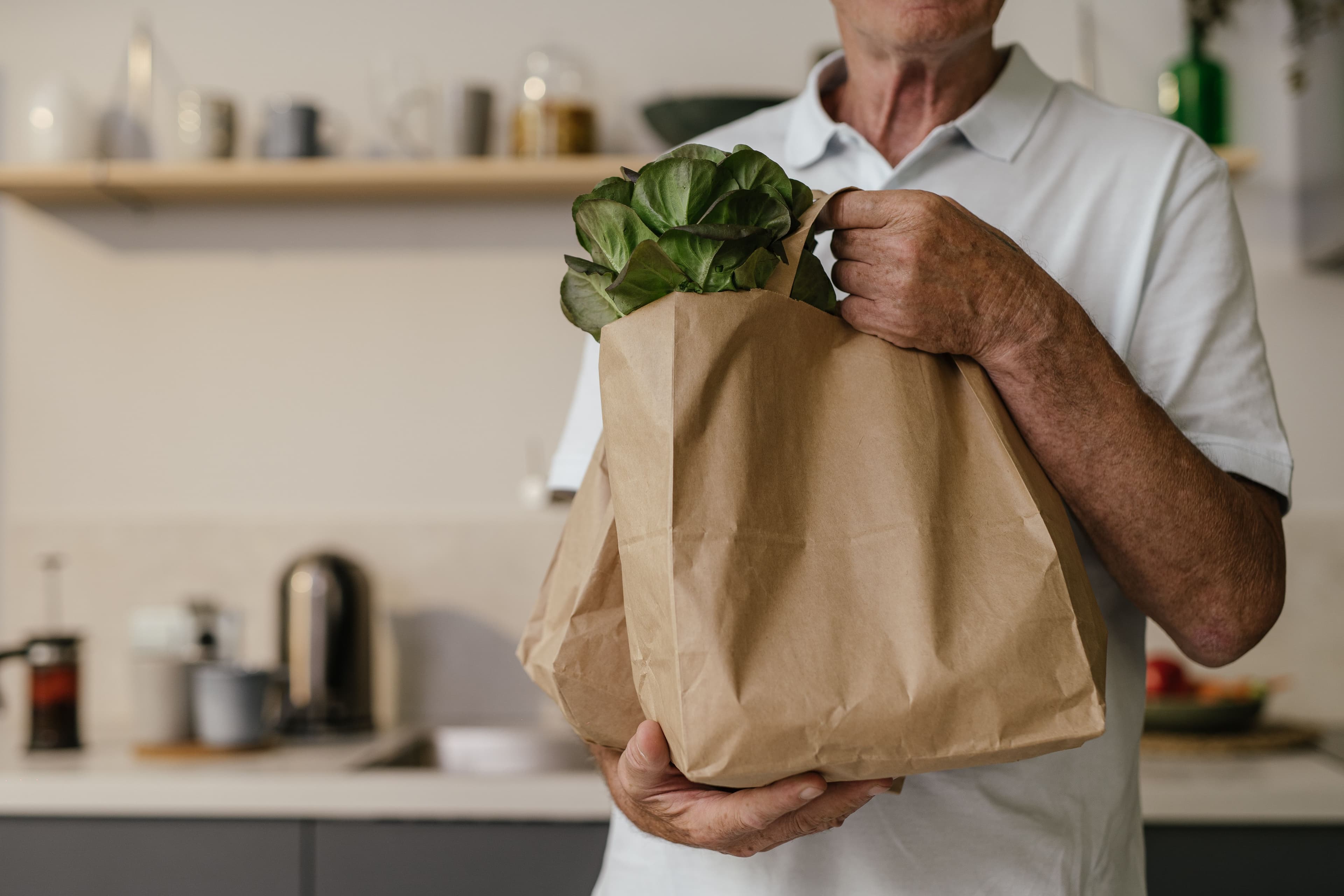
Health tracking01 / 08
Nutrition Log
“I had oatmeal and half a grapefruit.” Said once at the table, nothing else to do. On Friday the doctor asks what you’ve been eating, and for the first time the answer isn’t a guess.
Eight ordinary moments where Abby stops being a gadget and starts being a quiet helper around the house.
“I had oatmeal and half a grapefruit.” Said once at the table, nothing else to do. On Friday the doctor asks what you’ve been eating, and for the first time the answer isn’t a guess.
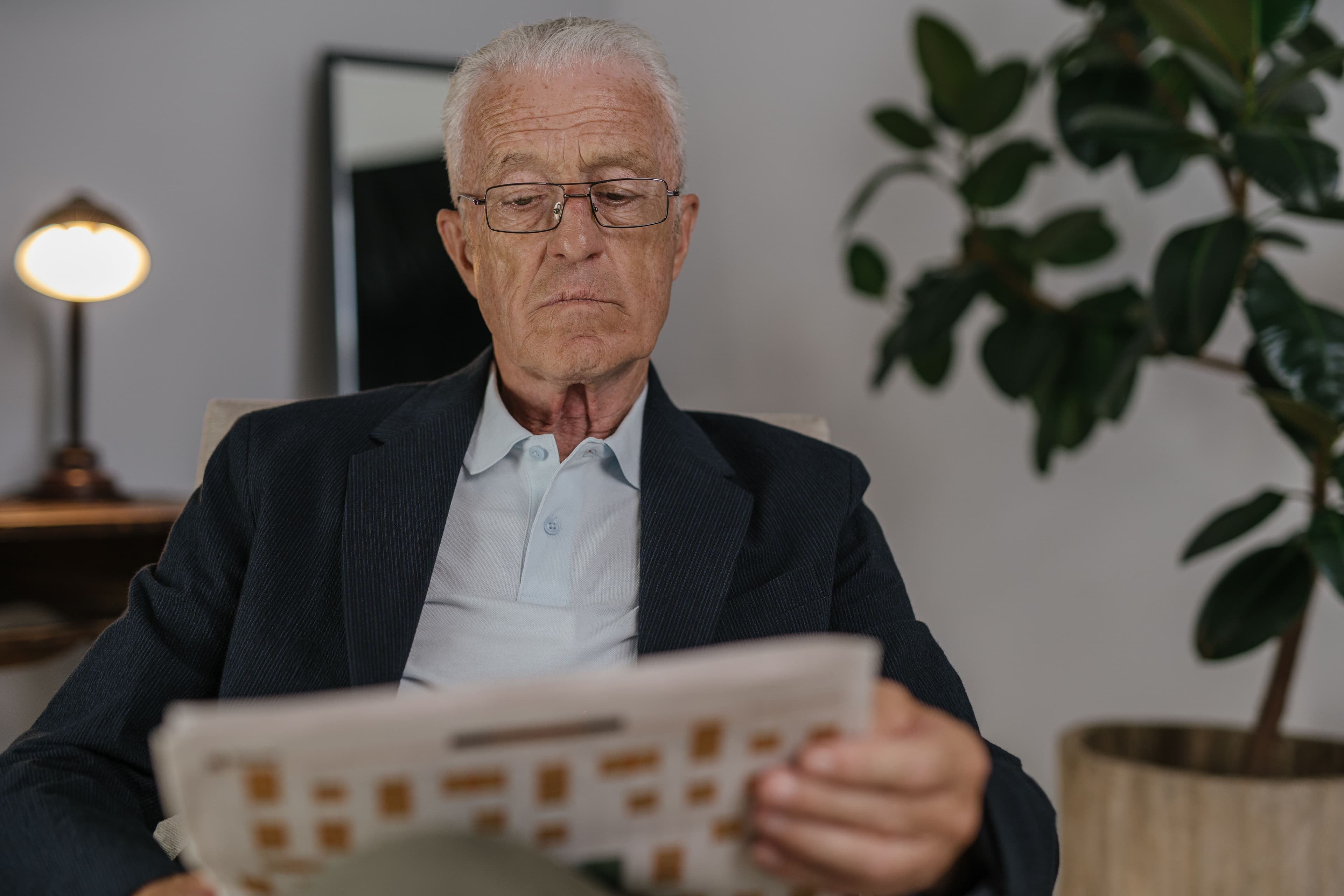
“What’s it doing out there?” Rain by four — so the walk happens this morning instead. Coffee’s still brewing, and the day is already planned.
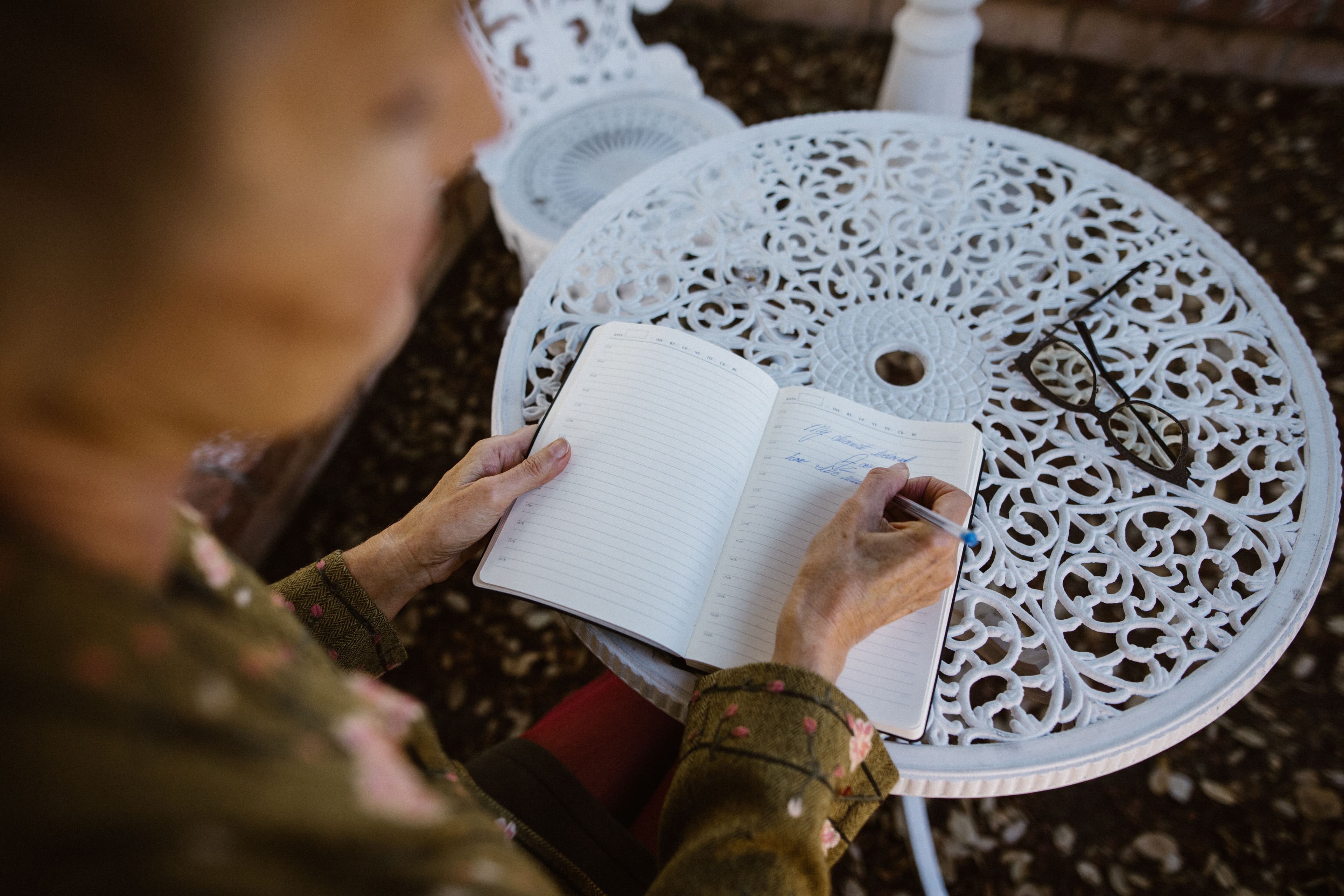
Anna’s birthday is Thursday. You hear about it Monday, with time to write the card and mail it. She never learns it almost slipped by.
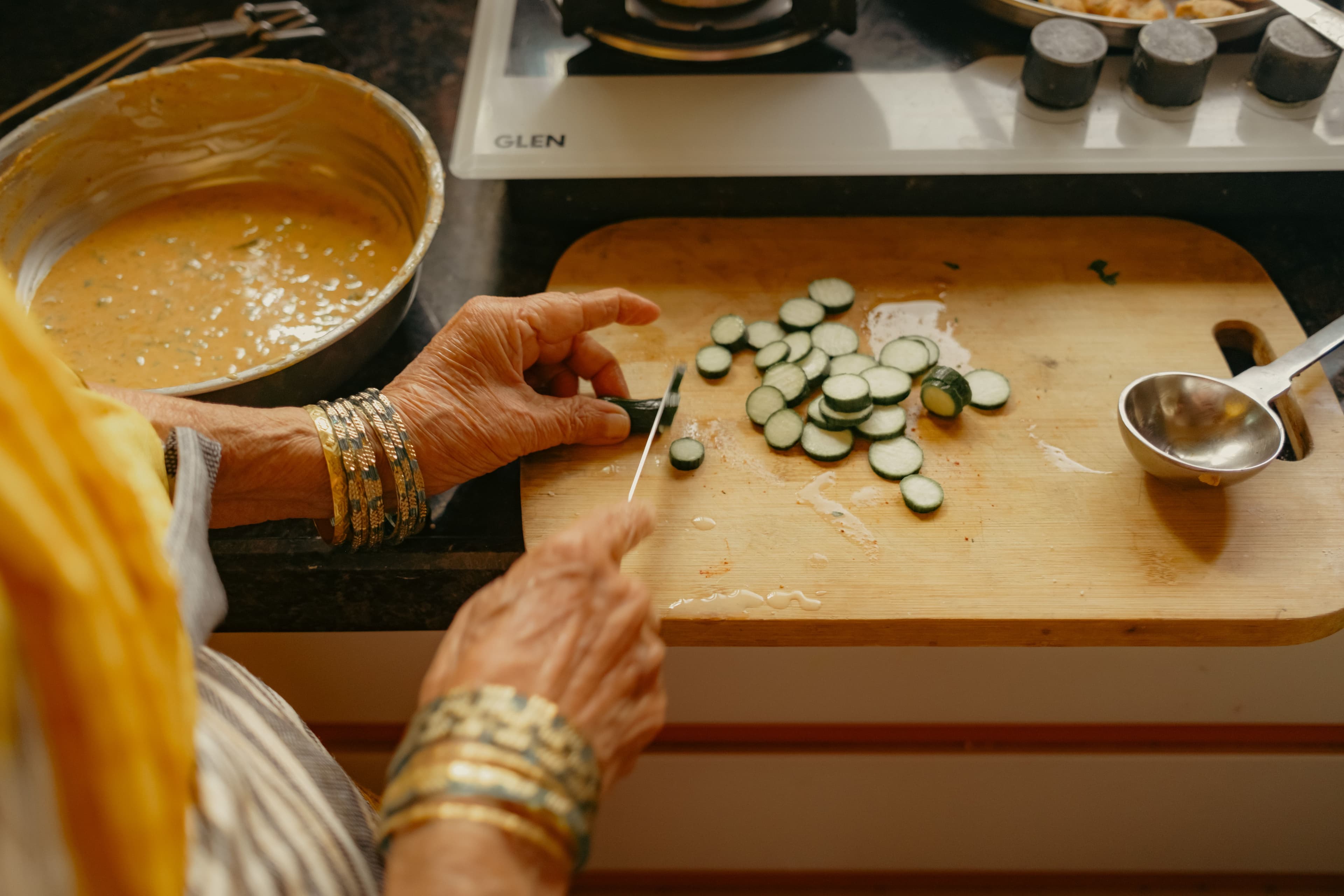
The pot’s on and the phone rings. Twenty minutes later it speaks up: burner’s still going, nobody’s been in the kitchen. The soup survives, and so does the pot.
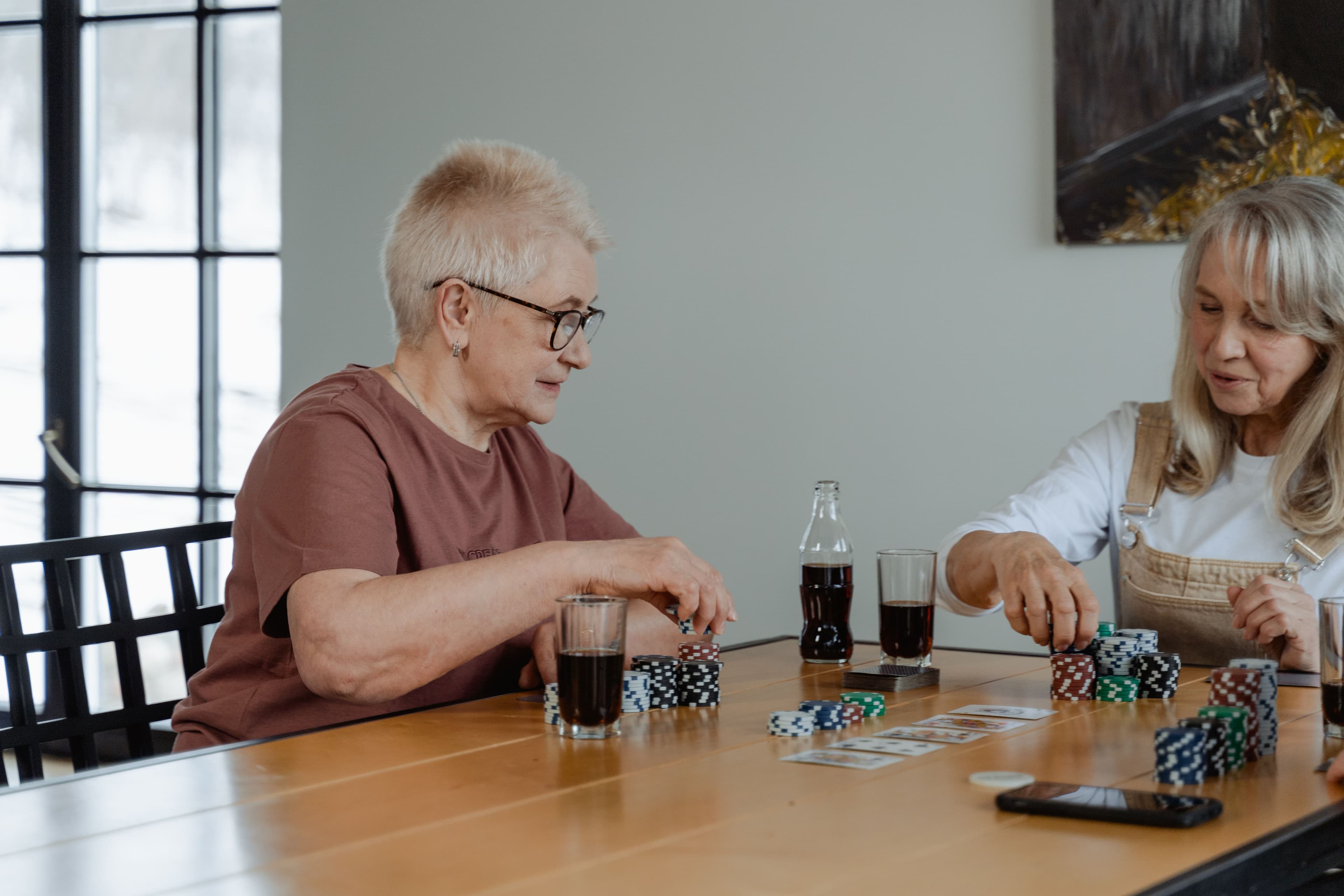
Trivia after lunch, and the neighbor stops by for a round. It keeps score, waits for whoever’s slow, and never sighs. The afternoon goes somewhere.
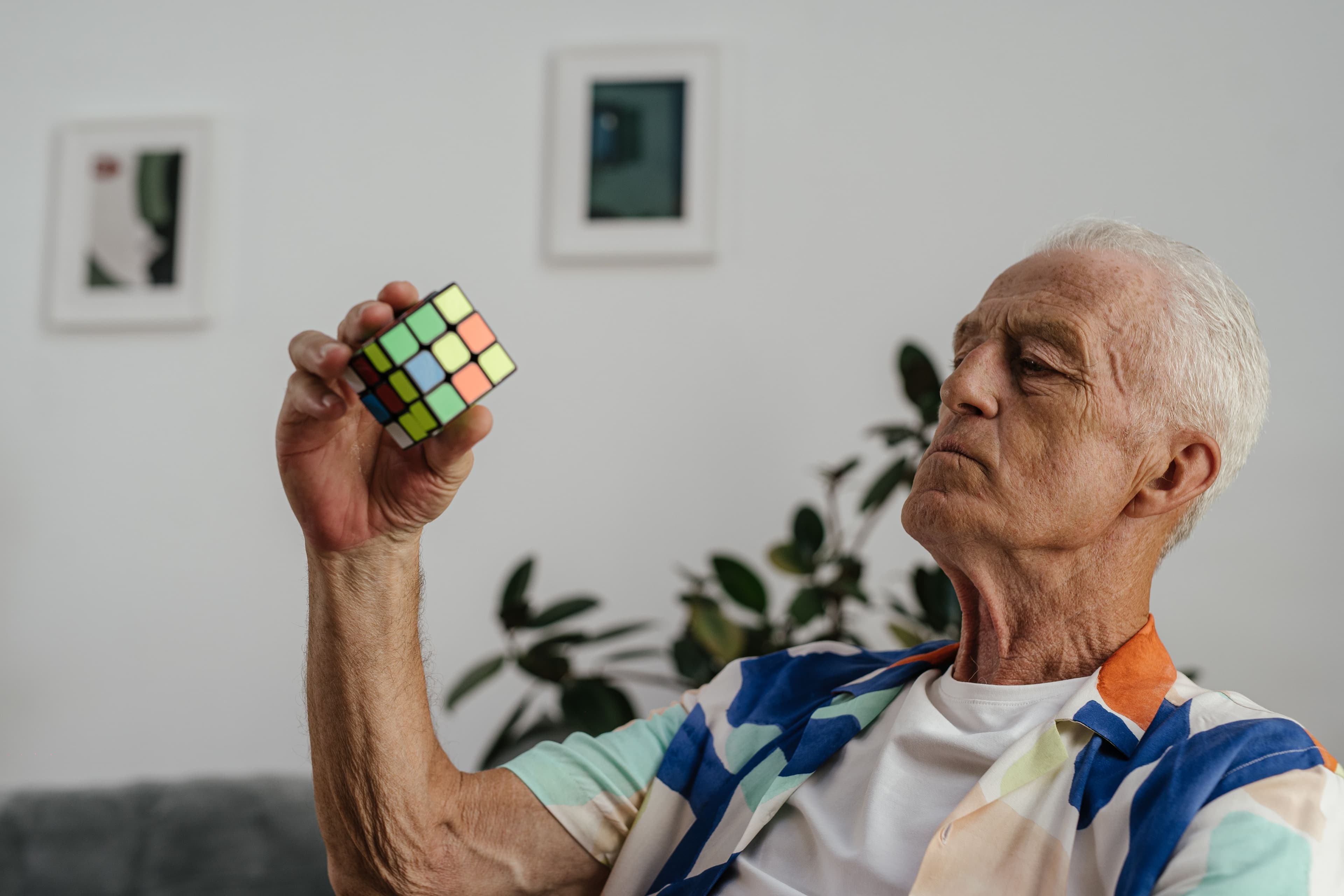
A word puzzle with the morning coffee. It noticed yesterday’s was easy, so today’s isn’t. Nobody’s grading, nobody’s watching.
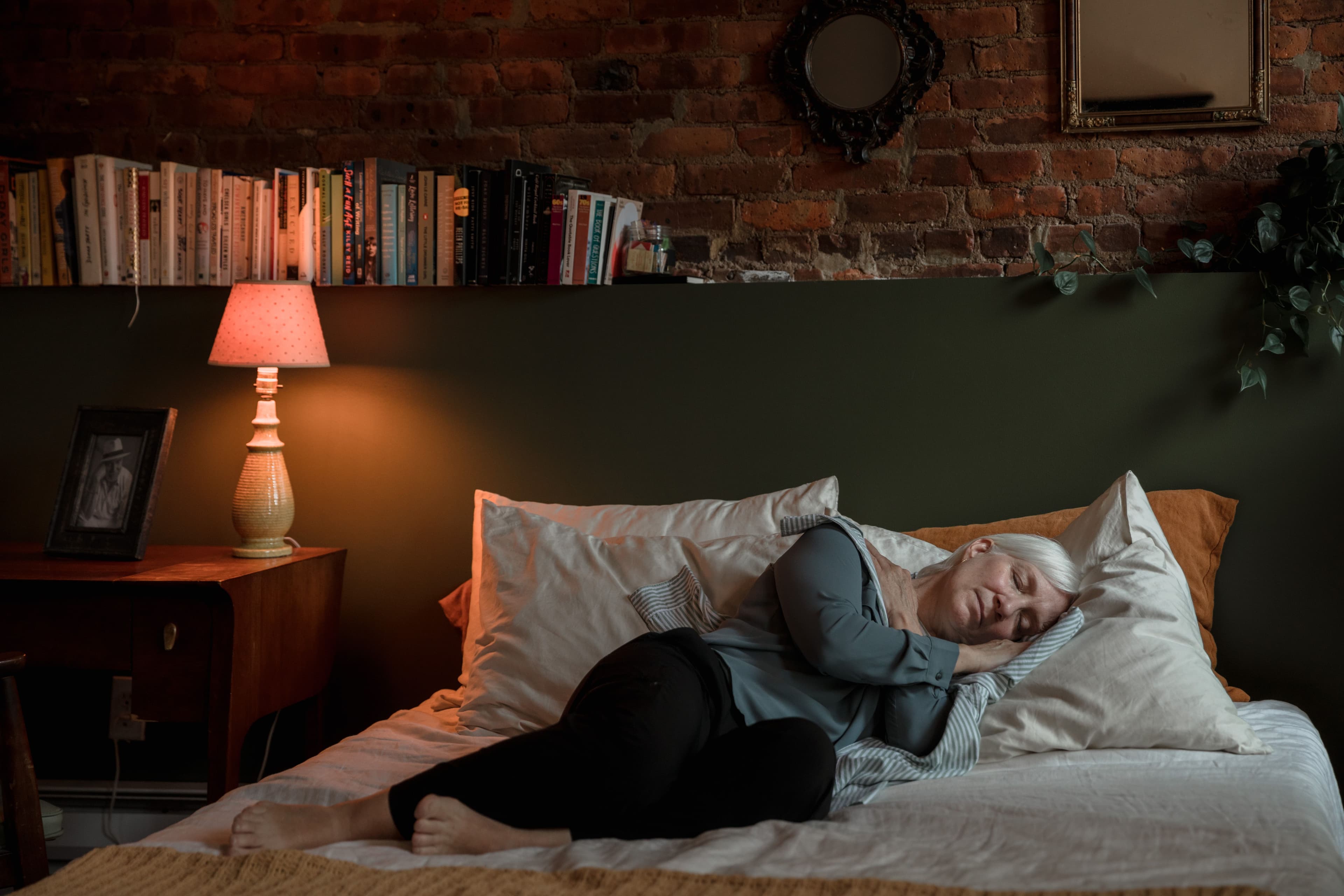
Eleven at night, and the hall light is still on. You say so from bed, and it goes off — no walk down the dark hallway to reach a switch.
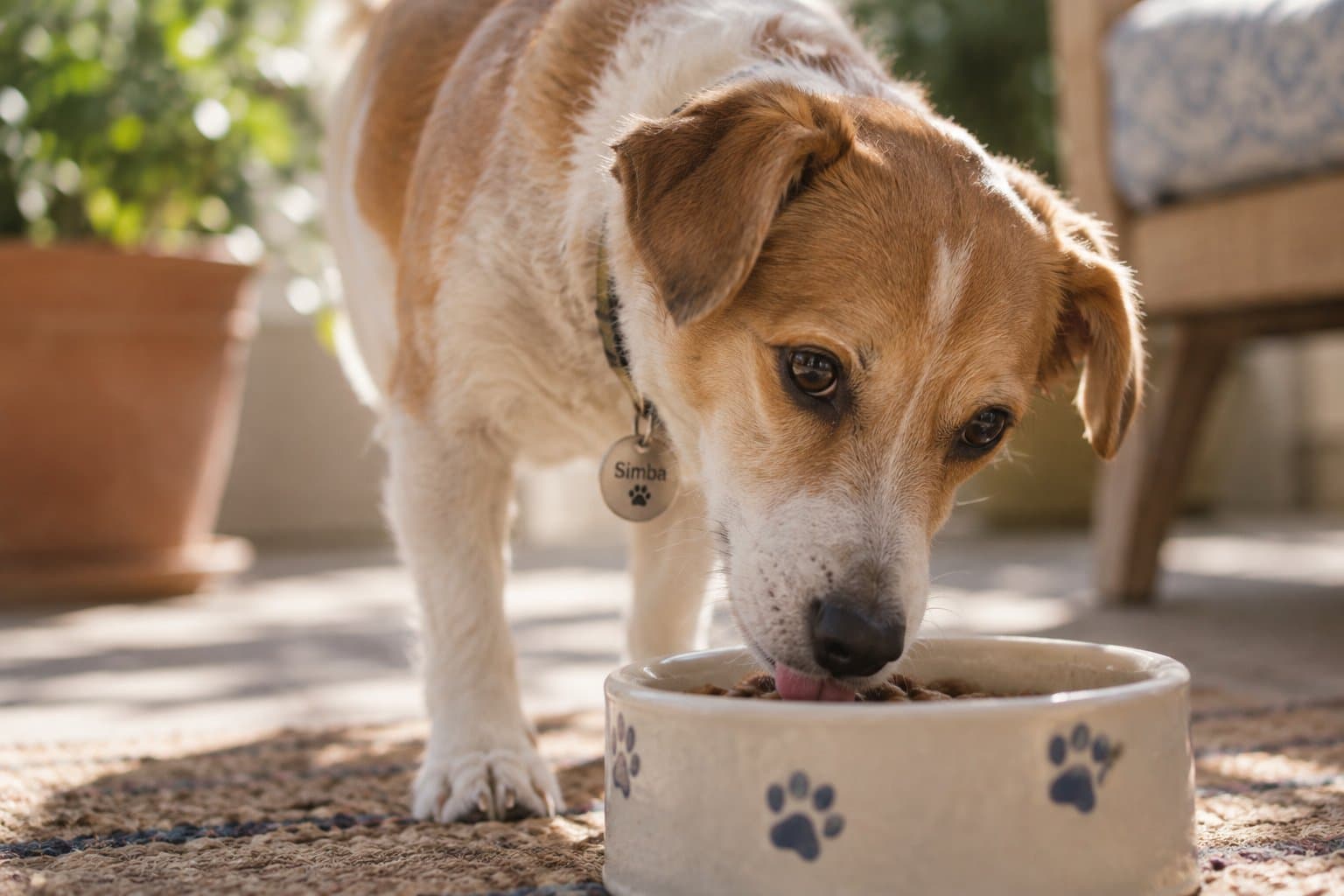
Twenty minutes at the pharmacy, and the phone buzzes once: motion by the food bowl at 2:14 — Simba’s up from his nap, same as always. No news would’ve worried you more than good news does.
Eight ordinary moments where Abby stops being a gadget and starts being something your family built together.
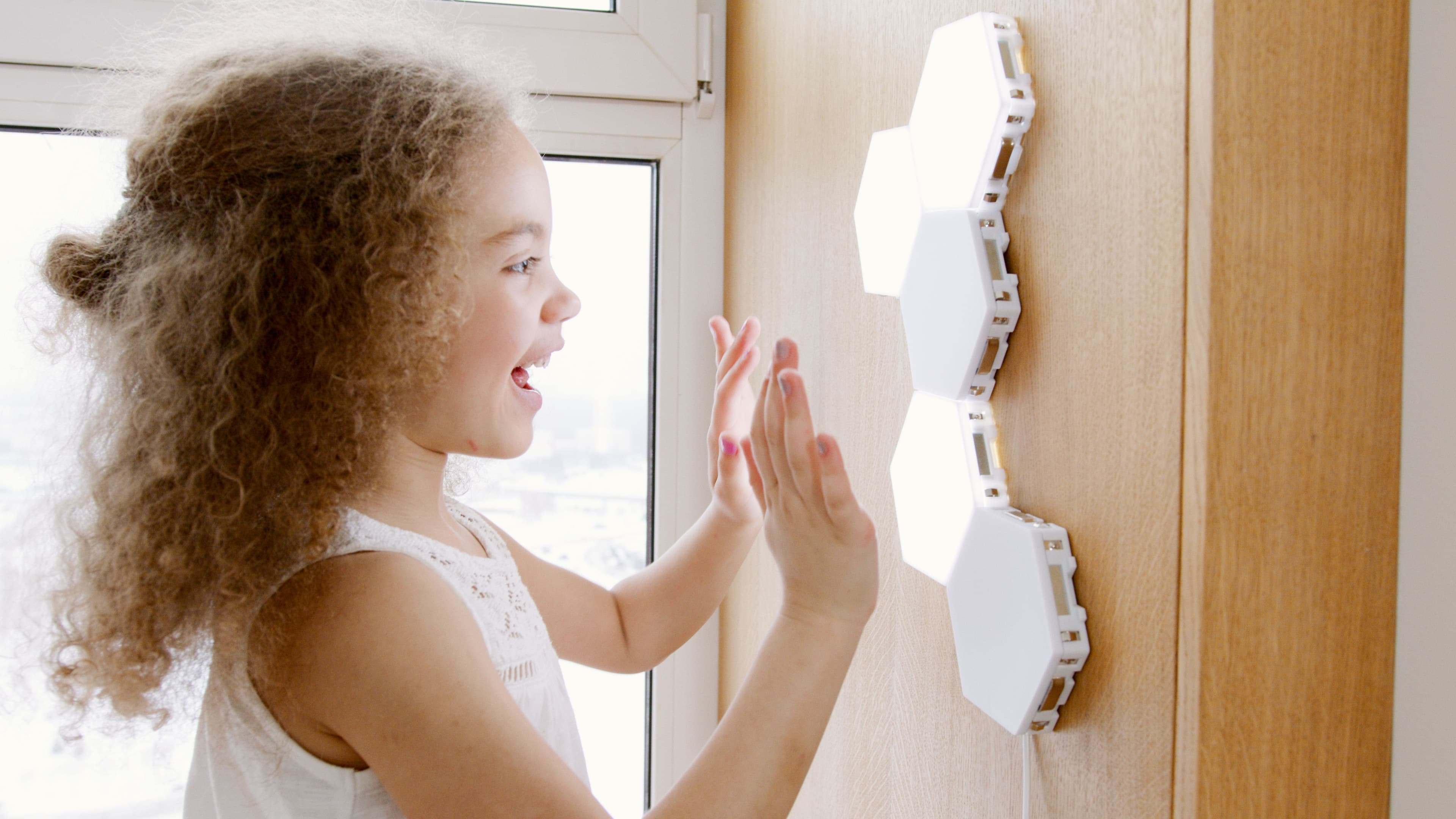
“Turn off the lights!” — and the room obeys. For a five-year-old, this is the moment AI stops being a thing grown-ups talk about and becomes something they can command. It’s their first lesson in how words become actions, and it never gets old.
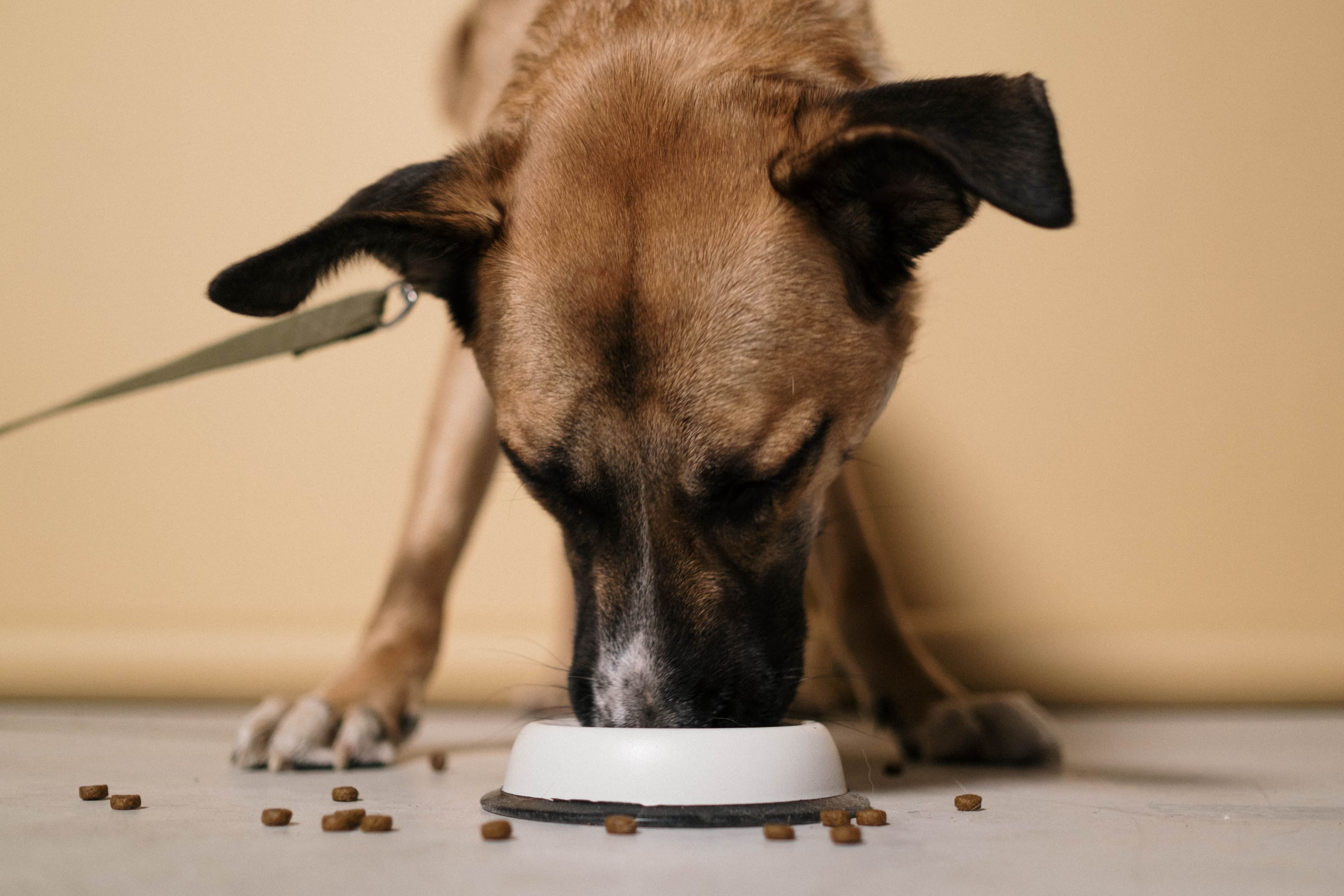
Who’s been snacking at the food bowl? Kids point the camera at the pet corner, set a rule — “log it when you see Coco eating” — and check the results at the end of the day. They learn how computer vision really works by testing it against the sharpest observer in the house: themselves.
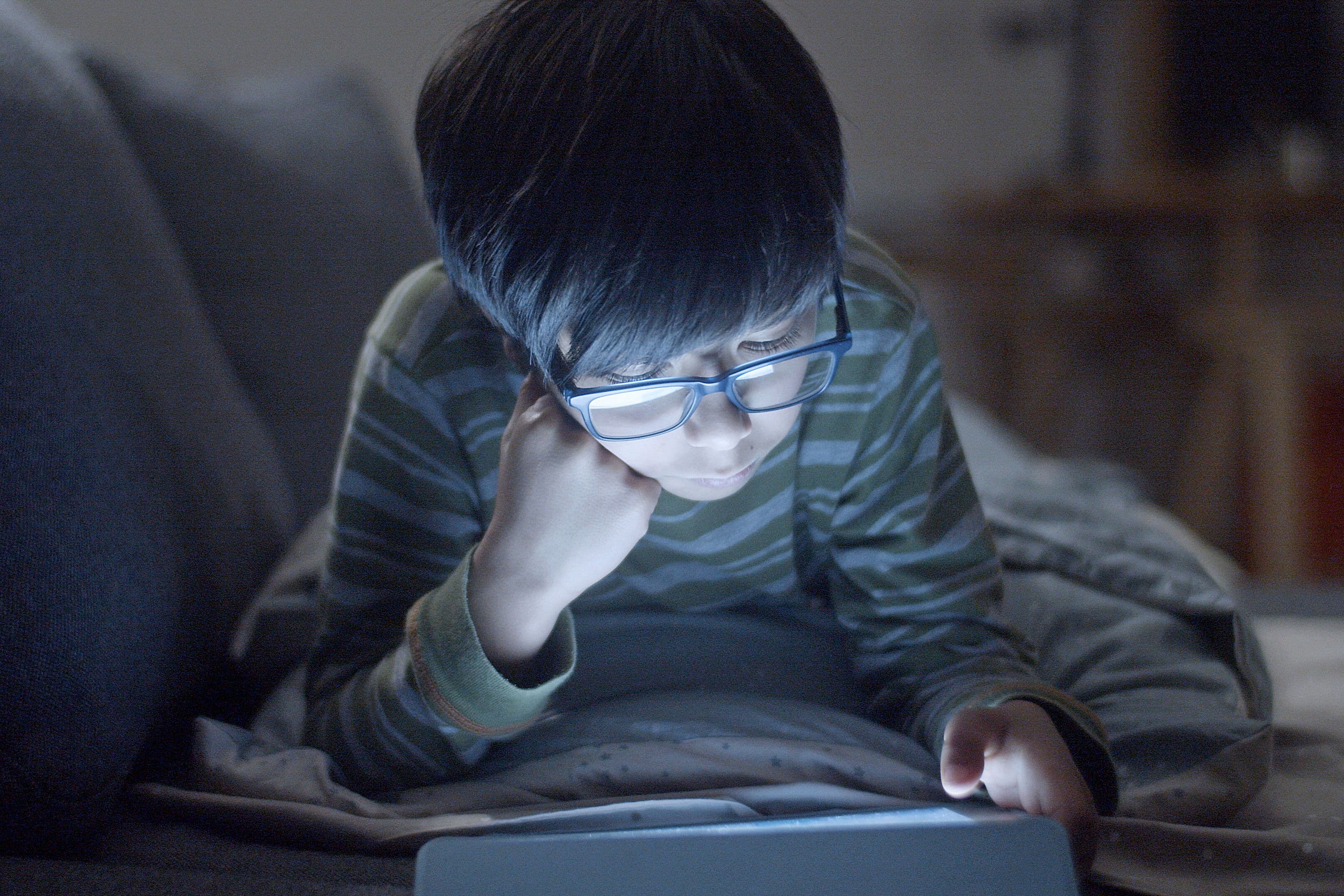
Ask about something that was never logged, and Abby says so — it doesn’t make things up. Kids discover that AI only knows what it’s been told, and that data belongs to someone. Who gets to see whose logs? That’s a conversation worth having at any age — and here, kids have it naturally.
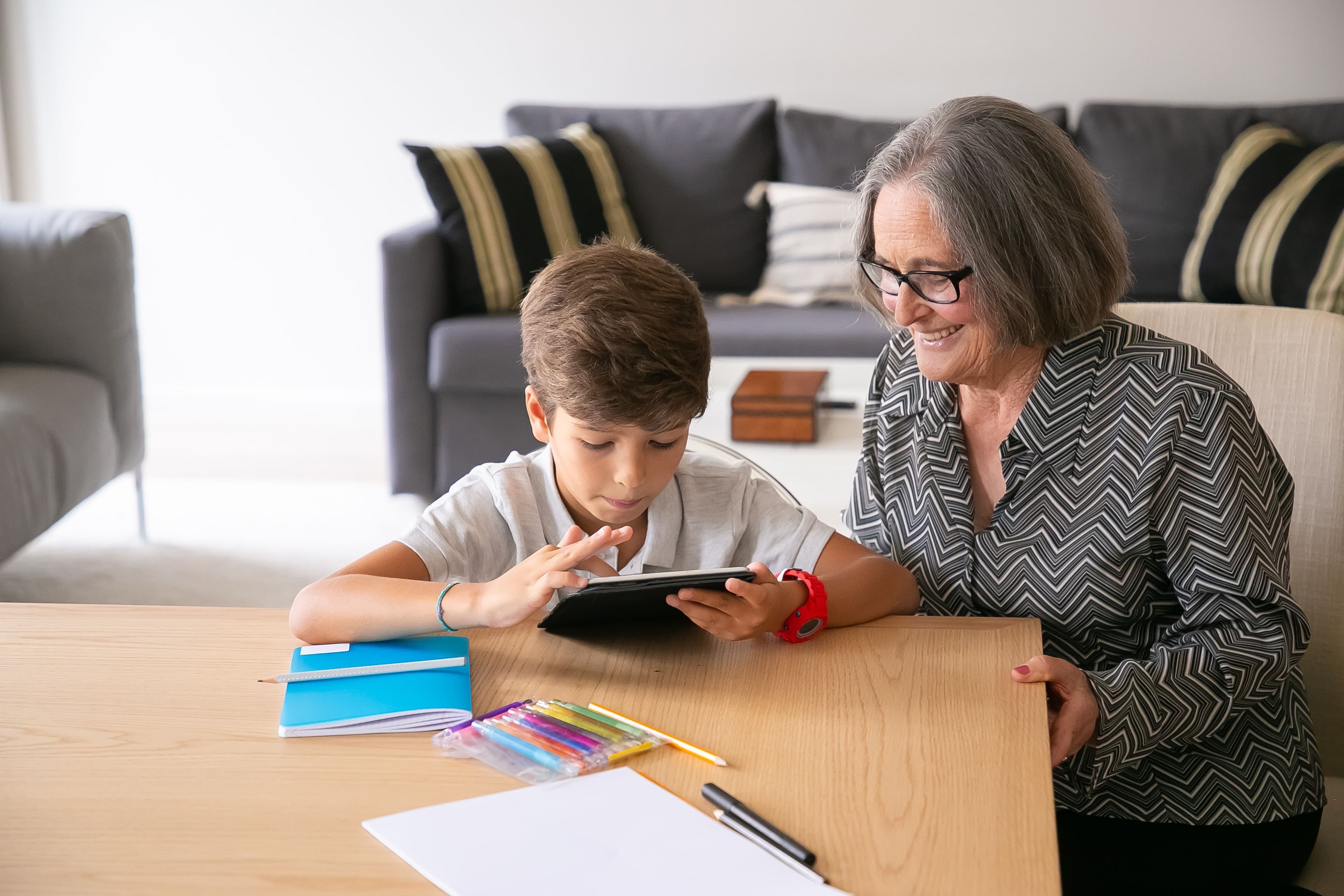
Kids come home from camp and set up the whole thing themselves: medicine reminders, appointment alerts, the day’s schedule read out loud. Grandma gets a helper with no menus, no tiny buttons, and no reading glasses required. And your kid gets to be the one who taught her — which might be the proudest moment of their summer.
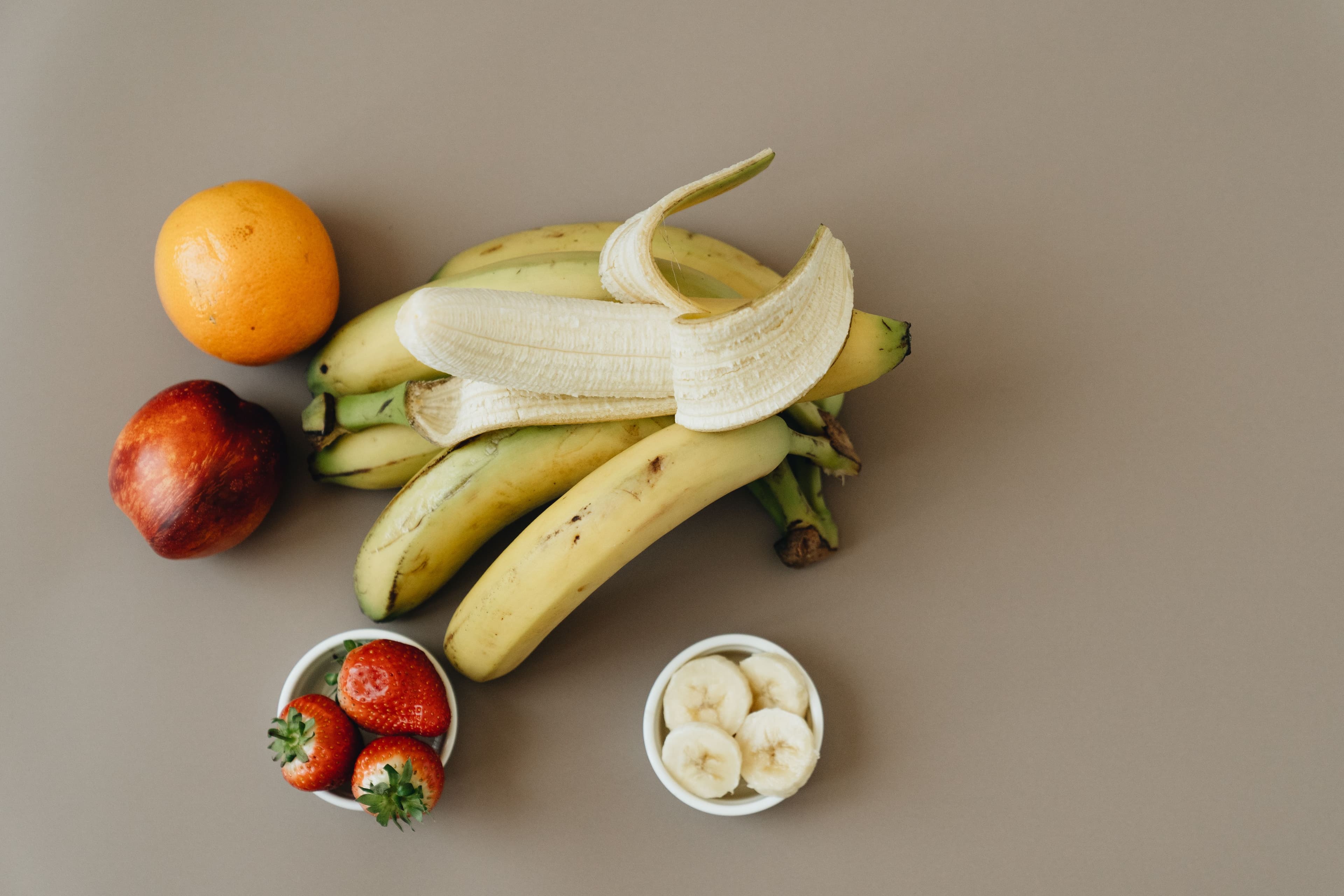
“Log that I ate a banana.” All week, kids track their own snacks by voice — then ask for the results and hunt for patterns. Most snacks after swimming? Data doesn’t lie. It’s the full data-science cycle — collect, store, query, discover — run on the most fascinating dataset a kid can imagine: their own.
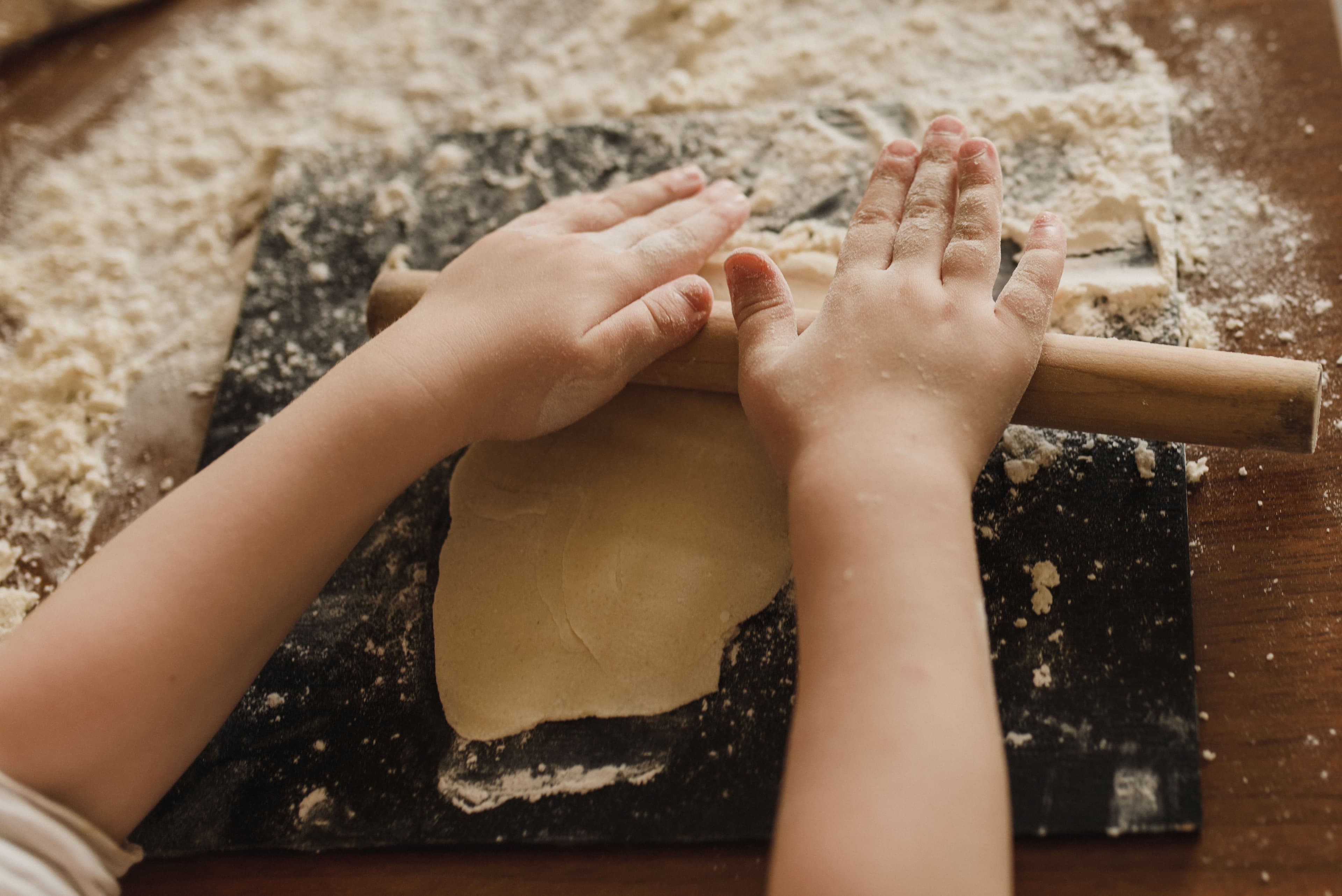
Mom’s hands are covered in flour. No problem: “Fifteen minutes for the pasta. Forty-five for the cake.” Multiple timers, each announced by name, all managed by your new sous-chef. Kids learn how AI juggles parallel tasks — and get to be genuinely useful at dinnertime.
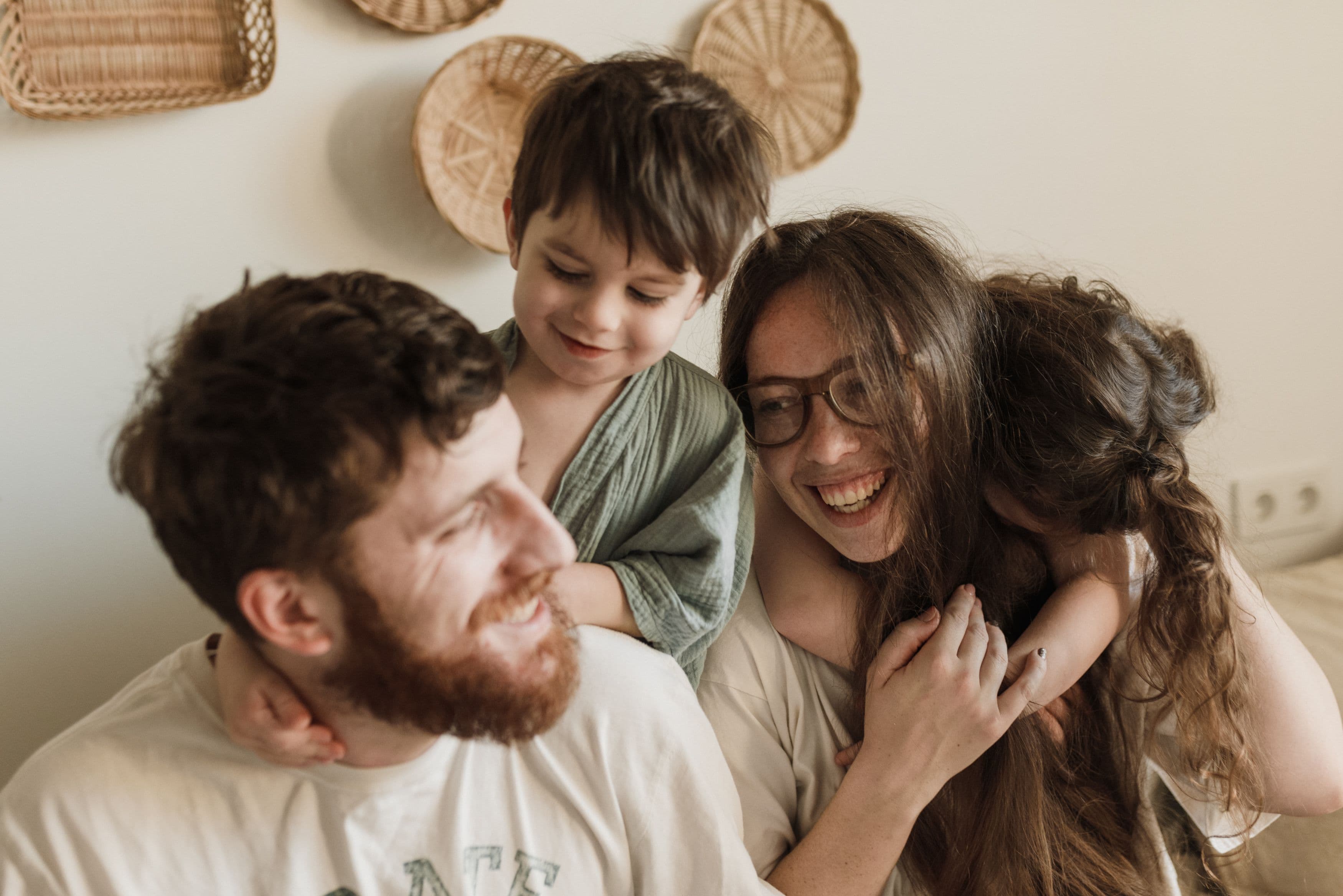
Riddles, brain teasers, quick quizzes — with an AI that keeps score, takes turns, and never lets anyone cheat (yes, it’s been tried). Kids challenge Dad. Dad challenges Grandma. Nobody’s staring at a screen, and everybody wants a rematch.
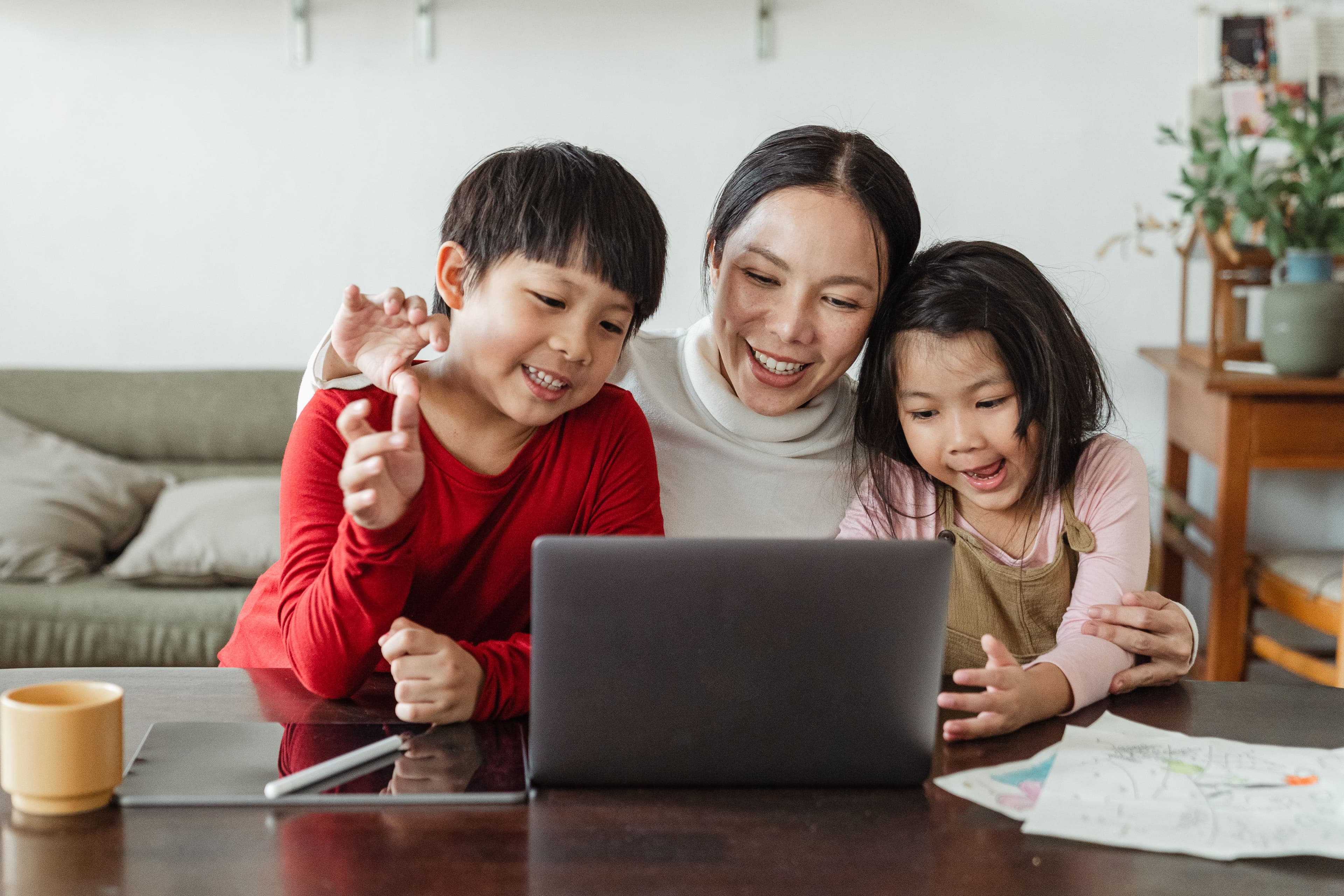
Kids program a custom greeting for each family member: Dad gets “Welcome home, Captain!”, Grandma gets a hello in her own language, and the little sister gets a silly rhyme. Same doorway, different welcome — and just like that, kids understand personalization, the idea behind every smart product they’ll ever use.